🔐 Practical tips for organizing an Information Security Week event
A practical guide for organizing Information Security and Data Privacy events. Tips for PMs, CISOs and analysts. Engage your team with compelling topics
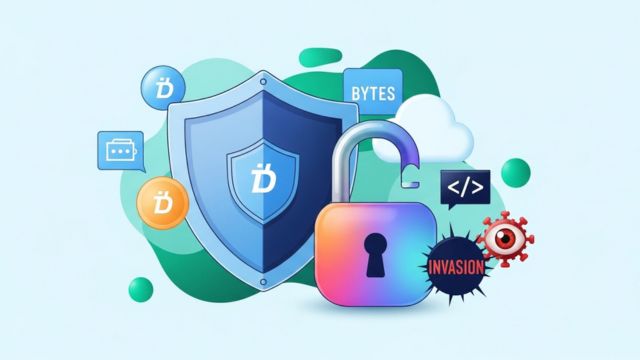
Recently, I managed an event called "🔐 Information Security & Data Privacy Week."
With more than 500 people actively engaging, we found a light, practical way to bring the topic into people's daily lives.
Here, I share a bit about how this event came together, with practical tips for a PM, PMO lead, analyst or CISO who needs to get this kind of movement going inside their company.
Practical tips and what to do
Our goal was to raise awareness, in a light way, among employees about the importance of information security and data privacy, connecting the topics to their routine both inside and outside work.
💡 The first tip is:
make it happen regardless of your financial backing and available budget. You can put together a really great event, with valuable and engaging content. How?
-
Look for support from partners related to Security and Data Privacy. Besides fun, symbolic giveaways, they provide (free of charge) high-quality talks with valuable information, delivered in a very accessible way. These people live and breathe security every day and have a lot to share with anyone who takes the initiative to ask. In the end, everyone feels grateful to take part, contribute and share.
-
Look for support from internal teams at the company, especially marketing, people & culture, communications... any team with the know-how to rally people. Usually (at least in my case), the tech team struggles to mobilize people, while those teams, with two phone calls, five posts and a few chats, get people excited and interested. While some are good at structuring things, others are great at organizing the event in a very hands-on way. Use the structure your company already has!
-
Get leadership on board to participate. A five-minute opening message conveys the importance of the topic to the company and helps give the event credibility.
-
Have (or bring onto the team) people with the energy to make it happen! About five energetic people who roll up their sleeves and take on: producing content, running promotion campaigns (with whatever resources they have), coordinating with partners, organizing the agenda, finding speakers and aligning topics. There's always someone on the team with that drive. Bring them into the game and the rest will flow.
It helps to have one person pulling (in this case, me) this group together, to organize and set the pace and momentum things need. If there's no one like that at your company, I recommend being that person yourself.
💡 The second tip is:
make the topic lighter.
Although technology sparks a lot of people's interest, security and privacy is still seen as dense (not to say boring). How?
-
Ask speakers to connect the topics to everyday routines, using less technical language and practical examples.
-
Share tool tips that people can download and actually use day to day. For example: how and where do I store my passwords? What do I use to block unwanted calls? How do I dispose of data safely?
You don't have to stick to slides. Have relaxed chats too, they're engaging as well.
💡 The third tip is:
don't get stuck on vanity metrics. What do I mean?
-
The data we collected showed that the event with the smallest audience was actually the one that engaged people the most, with the highest number of questions, and it even ran past closing time. In my view, that happened because of the relaxed way the speaker led it, using everyday examples and practical tips.
-
In my view, the success of an event like this isn't measured by how many people show up in the room. In this case, it's better to have a more qualified audience, people with genuine interest, capable of helping that momentum grow through everyday actions at the company, even without a massive company-wide turnout. These are the people who'll help promote the next event.
Once you mix the points above, it happens! ✅
These points reflect my own experience and perceptions, and not necessarily the company's view. I hope this content inspires you and adds some value when making moves like this in your own organization. After all, security and privacy is for everyone. :)
You might also enjoy this piece on the gap between your product and real adoption. Check it out!
Take care,
Leandro